MSME Conservation and Community Skills Development Shaping the Future of Likana Safaris

MSME Conservation and Community Skills Development as a Foundation for Ethical Tourism
In a tourism industry often driven by aesthetics speed and surface level sustainability claims true depth is rare. Likana Safaris stands apart because it is not built on trends. It is built on thought.
At the centre of this architecture is Bonny Kagaba. A strategist academic and conservation minded leader whose work reflects a deep understanding of how ecosystems communities and economies intersect. His approach to tourism is neither accidental nor idealistic. It is deliberate researched and grounded in lived reality.
Likana Safaris is the practical expression of that thinking.
A Strategic Academic Lens
Not Romantic Idealism
Bonny’s strength lies in his ability to bridge theory and practice. Conservation for him is not a concept frozen in policy documents or academic journals. It is a living system that must function economically socially and culturally to survive.
This perspective is evident in the way Likana Safaris operates and more critically in how its community driven MSME initiatives were designed. These programmes were not created as corporate social responsibility add ons. They were engineered as structural interventions within the tourism value chain.

The question Bonny asked was simple but radicalWhy are the people living closest to protected areas so often the least visible and least empowered economically within tourism systems
The answer required more than goodwill. It required systems thinking.
Community as Stakeholders
Not Beneficiaries
One of the most defining aspects of Bonny’s work is his refusal to frame communities as passive recipients of aid. Instead they are treated as active stakeholders whose knowledge skills and cultural capital are essential to conservation success.
The MSME digitisation programme launched through Likana Safaris reflects this philosophy. It focuses on micro small and medium enterprises operating in tourism adjacent sectors that have historically been excluded from digital infrastructure and global markets.
This exclusion is not a failure of ambition. It is a failure of access.
Bonny recognised that without digital visibility and transactional capability local enterprises would always sit at the margins of an industry built around them. His solution was not to extract or centralise but to connect.

Grounded Implementation
Bwindi Impenetrable National Park
The first major rollout took place in communities surrounding Bwindi Impenetrable National Park. A globally significant conservation area and home to mountain gorillas Bwindi represents both ecological importance and community complexity.
Here Bonny’s strategy revealed its depth.
Rather than imposing a uniform model the programme was shaped around existing community dynamics. Local guides homestays craftspeople and service providers were supported in building digital presence while retaining cultural authenticity. The aim was not to westernise or sanitise experience but to allow communities to represent themselves on their own terms.
This approach acknowledges a critical truth. Conservation succeeds when communities see tangible value in protecting what surrounds them.
Kibale National Park

Knowledge as Capital
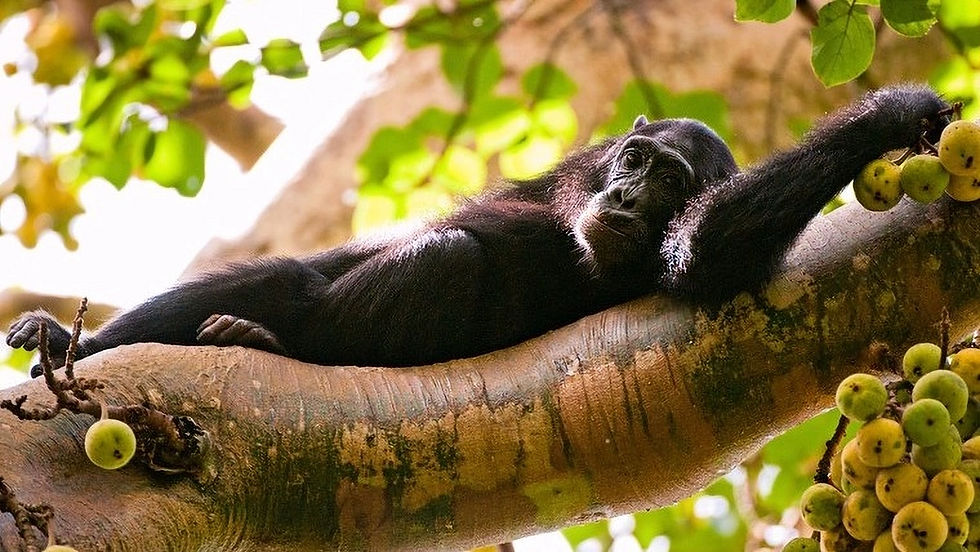
The second focal point was Kibale National Park an area renowned for primate research biodiversity and long standing community interaction with conservation efforts.
In Kibale the programme leaned heavily into recognising knowledge as capital. Community members here hold generational understanding of ecosystems wildlife behaviour and land stewardship. Bonny’s model treats this knowledge not as background texture but as a marketable asset worthy of visibility and fair compensation.
The result is a tourism ecosystem that respects intellect as much as experience.

Likana Safaris
A Living Case Study
Likana Safaris itself functions as a living case study of Bonny’s philosophy. Guests are introduced to landscapes through people who know them intimately. Experiences are layered contextual and honest.
This is safari stripped of performance and rooted in meaning.
Luxury what exists of it is quiet and intentional. It supports presence rather than distraction.
It creates space for reflection learning and genuine connection.
For the conscious traveller Likana offers more than access to wildlife. It offers access to understanding.

Long Term Vision
Systems That Scale Without Losing Soul
What makes Bonny’s work particularly compelling is that it is designed to scale without losing integrity. The frameworks being developed through the MSME programme are adaptable across geographies while remaining sensitive to local context.
This is where the academic strategist reveals himself most clearly.

Behind the scenes conversations are already underway. Lessons learned from Bwindi and Kibale are being documented refined and quietly positioned for broader application. The intention is not replication but translation.
Each ecosystem demands its own language.
For now those next chapters remain intentionally understated. But the groundwork is unmistakable. What is being built has global relevance for conservation tourism policy and community economic development.

A New Definition of Leadership in Tourism
Bonny Kagaba represents a new generation of African tourism leadership. One that is intellectually rigorous ethically grounded and unapologetically community centric.
He does not chase visibility. He builds foundations.
Likana Safaris is the outward expression of this leadership but the real work lies deeper in systems that empower rather than exploit and models that respect both land and people.
This is not tourism as escape. It is tourism as responsibility.
And in a world searching for sustainable answers the work emerging from these forests and communities offers something rarea model that actually works.
Quietly. Intelligently.And with lasting impact.
A Note from the Author

Through extensive conversations with Mr Kagaba one truth has remained unmistakably clear. His love for community and for the country of Uganda is deeply genuine and profoundly rooted. It is not performative. It is not strategic posturing. It is lived felt and carried with quiet conviction.
That sincerity is what makes this vision so compelling.
Bonny’s work is driven by a belief that dignity empowerment and independence should not be privileges reserved for a few but realities accessible to many. Especially to the vendors entrepreneurs and community based operators who have long formed the backbone of tourism economies while remaining unseen and undervalued.
This is why this project matters.
It is why it is worth watching. It is why it is worth following closely.
What is unfolding is more than a programme. It is a recalibration of how tourism can function ethically and inclusively at scale. With Bonny and the teams behind him actively carving a new course forward the work extends far beyond national borders. It speaks to a global need for visibility fairness and opportunity.
We are incredibly excited to announce the global rollout of this visionary project. What began in Uganda is now evolving into a platform with worldwide relevance and reach.
History is rarely loud when it is being made. Often it starts quietly with people who care deeply enough to do the work differently.
This is one of those moments.
Keep your eyes on this story.


Comments