The Smallest Guardians of the Mist: A Toad Finds Its First Safe Home

Some stories arrive like thunder. This one arrived like a raindrop: small, bright and quietly world-changing.
On 20 November 2026 the Endangered Wildlife Trust announced the declaration of the Sweetgrass Nature Reserve in the Eastern Cape, the very first protected home for the Endangered Amatola Toad, a little creature you could hold in a cupped hand.
A Reserve Born of Patience
Good things in conservation rarely happen overnight. The reserve is the result of several years of work by the Endangered Wildlife Trust, its collaborators and the landowner, all pulling in the same direction for one very small species.
The reserve covers some 1,529 hectares of grassland and wetland, rolling country that holds the toad's world together. It is the first formally declared protected area in the Amatholes, and it will safeguard an estimated 60% of the entire population of this range-restricted Eastern Cape endemic.
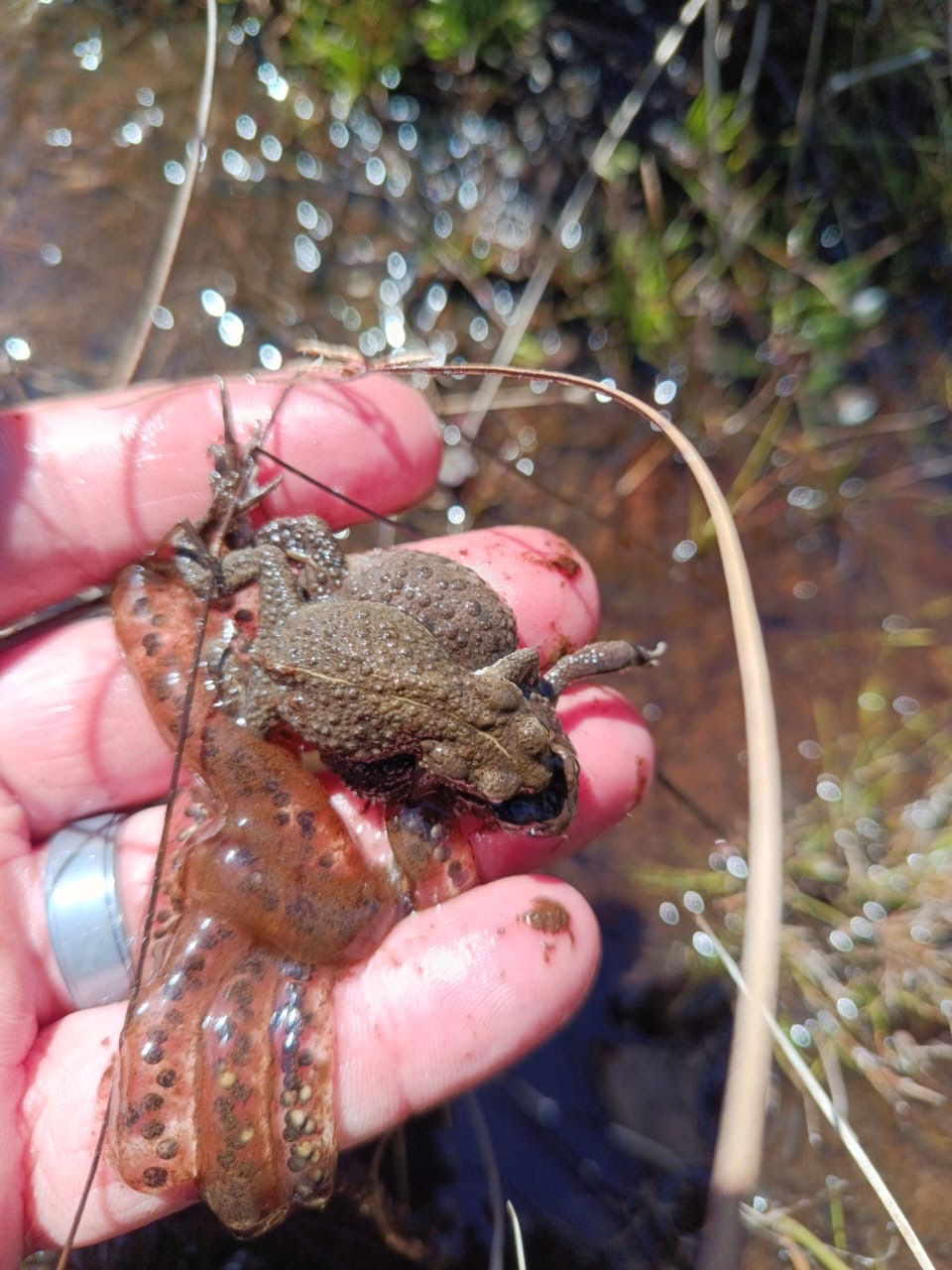
Meet the Amatola Toad
The Amatola Toad (Vandijkophrynus amatolicus) lives in temporary pools and seepages in high-altitude moist grasslands, and it is found at only a handful of breeding sites around the town of Hogsback. It was last recorded in the area in 1998, and then it simply vanished from view. In September 2011 the EWT rediscovered it near Hogsback, one of those rare, glittering moments when the natural world says: still here.
A toad that breeds in rain-filled pools is a creature that lives by the weather, and by the goodwill of the land around it. That is exactly why its habitat matters so much.
What Threatens a Life This Small
The specialised grassland that supports these toads is under pressure from tree plantations, over-grazing and fires. How the land is managed plays a key role in whether the species survives.
There is a gentle twist in the story. Years of monitoring by the EWT suggest that local disturbance, historically created by free-ranging wild herbivores, shapes the breeding habitat the toads need. With those large herbivores gone from the landscape, the habitat may be changing. So, together with local farmers, the EWT is working to re-create that disturbance using cattle, an approach that benefits both the farmers and the toad, and helps keep the mountain catchments working as they should.

Water, Mountains and People
Protecting a toad is also protecting water. The declaration gives the EWT, farmers, local and provincial government and other stakeholders a chance to manage the Amathole mountain water catchments together, for the long-term benefit of people and wildlife.
The EWT thanks the Rainforest Trust and Synchronicity Earth for making this work possible, and Bionerds for their contributions.
My Hope for 2027
I look forward to visiting there in 2027 and meeting these incredible creatures, and to carrying their story back to you in words and photographs. Travel at its best does exactly this: it takes us somewhere small and extraordinary and sends us home a little more protective of the world.

At Adventure Lifestyle Magazine we make travel dreams come true and find the extraordinary in the mundane. Sometimes the extraordinary is a toad the size of a thumb, in a grassland above the mist.
How We Can Bring Our Partnership to Conservation
Stories like this one deserve more than a headline, so here is how I would love us to stand beside conservation in the year ahead:
1. Tell the stories. We will keep giving conservation work, and the people behind it, a home in our editorials. Read more in our Conservation section.
2. Travel with purpose. We will champion lodges and destinations that protect the wild places around them. See how your African safari helps protect wildlife.
3. Partner with the people doing the work. We would welcome conversations with the EWT and its collaborators about how a travel magazine can support their reach.
4. Give where you can. Readers who want to help can support the Endangered Wildlife Trust here.
Because the smallest guardians of the mist need big-hearted friends.
More Conservation Stories
Keep exploring: The Muti Trade in Africa: How Wildlife Crime Is Silencing Vultures, Wild Dogs and Monkeys and New Species Discovered in 2026: Four Wonders the Wild Was Hiding.
Frequently Asked Questions
What is the Amatola Toad?
The Amatola Toad (Vandijkophrynus amatolicus) is a small, range-restricted toad found only in the Eastern Cape of South Africa, around the town of Hogsback.
Where is the Sweetgrass Nature Reserve?
The reserve is in the Eastern Cape near Hogsback and covers about 1,529 hectares of grassland and wetland.
Why is the reserve important?
It is the first formally declared protected area in the Amatholes and protects an estimated 60% of the entire Amatola Toad population.
Who is behind the reserve?
The Endangered Wildlife Trust, together with collaborators and the landowner, supported by the Rainforest Trust and Synchronicity Earth.
Source: media statement issued by the Endangered Wildlife Trust, 20 November 2026. Learn more about the species on Wikipedia.


Comments